We use cookies on this site to enhance your user experience. Find out more in our Privacy Policy. By clicking any link on this page you are giving your consent for us to set cookies.

Prohibited items on Kangaroo Island

Biosecurity kangaroo island prohibited items mobile

An Important Biosecurity Update

Varroa mite detection - Protecting Kangaroo Island’s Bee Sanctuary

Kangaroo Island is home to the world’s last pure population of Ligurian bees. There has been recent varroa mite detections on the South Australian mainland and strengthened biosecurity measures are essential to safeguard the island.

Before You Travel on the Ferry

To help reduce the risk of varroa entering Kangaroo Island, all travellers are asked to:

  • Wash your vehicle before boarding the ferry
    This helps prevent bees, soil, and plant material from being carried across to the island.
    Car washes are available along the route to Cape Jervis. Any wash 15–20 km before the terminal is ideal.

  • Check your vehicle and belongings for bees
    Inspect around door frames, mirrors, roof racks, trays, caravans, and trailers.

  • Do not carry bees, honey, honeycomb, beekeeping equipment or any hive materials
    These items remain strictly restricted and can pose a serious risk.
About Varroa

The Varroa mite is the most serious pest affecting honey bees worldwide.

The Department of Primary Industries and Regions South Australia (PIRSA) has reported detections in parts of the Limestone Coast and Upper Fleurieu and surveillance is ongoing to prevent further spread. Enhanced biosecurity measures are now in place for all travel to Kangaroo Island.

For full details, visit PIRSA’s official Varroa information page here.
Biosecurity Measures

Kangaroo Island’s remoteness has created a special environment, free from pests and diseases found in mainland Australia. The arrival of new pests and diseases has the potential to devastate our local environment and our agriculture industries. We need your help to protect the unique environment of Kangaroo Island.

There are some items that you cannot bring to Kangaroo Island.

When travelling to Kangaroo Island you may encounter a random biosecurity check at Cape Jervis terminal, conducted by Department of Primary Industries and Regions South Australia (PIRSA). If you have a restricted item, you may dispose of the item in supplied Biosecurity bins located at the Cape Jervis terminal. Severe penalties can apply.

Here is a list of items that you cannot bring to Kangaroo Island:

Bees, bee handling equipment, and honey products (yes that means no jars of honey) Kangaroo Island is a sanctuary to the only Ligurian bee population in the world and these items can spread disease threatening a significant island industry. Help keep this species pure and disease-free.
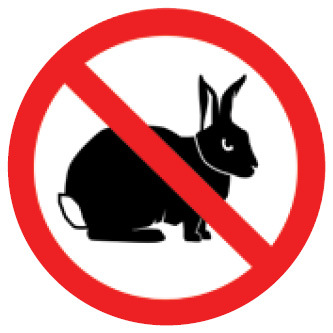
Rabbits These animals do not occur on Kangaroo Island. The introduction of rabbits to Kangaroo Island would create an environmental disaster.
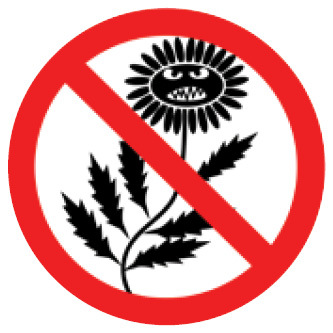
Declared weeds, including common garden plants such as gazania, olive, blackberry and arum lily
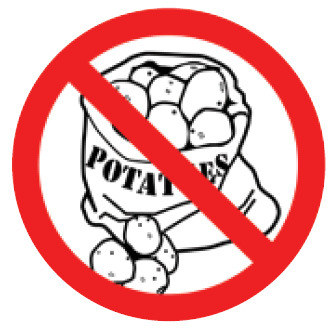
Unwashed or dirty potatoes may carry diseases that could devastate the island’s seed potato industry. Note - washed or brushed potatoes in new packaging are permitted for consumption only.
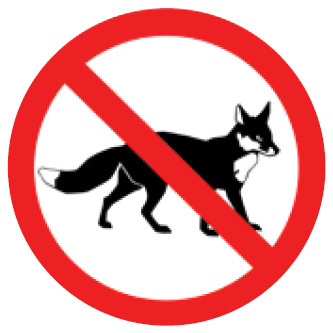
Foxes These animals do not occur on Kangaroo Island. The introduction of foxes to Kangaroo Island would create an environmental disaster.

Watch the video for further information

If you see a plant or animal pest while on Kangaroo Island, please report it immediately to the PIRSA Kangaroo Island office.

Pests include:

  • feral pigs
  • foxes
  • rabbits
  • ferrets
  • declared weeds
  • feral goats
  • feral deer
  • European wasps

Here are some of the other things you can do to protect Kangaroo Island’s pristine environment

  • Visitors must notify the Kangaroo Island Council if they are bringing a dog or cat to the island. This is per Council By-Laws 5 (dogs) and 6 (cats). To notify the council, simply call Customer Services on 8553 4500 or email [email protected]
  • Pets are NOT allowed at Seal Bay or any national park on Kangaroo Island (including car parks)
  • Residual plant material may be on your vehicle, camping equipment, and hiking boots. Make sure they are free of soil before visiting Kangaroo Island
  • Vine cuttings from interstate must be inspected and certified. Help keep our vineyards disease-free
  • Farm biosecurity is designed to protect a property from the entry and spread of pests and diseases. Farm biosecurity is not only the responsibility of farmers but of every person visiting or working on the property. For further information visit the Farm Biosecurity website

For reporting or further information, call PIRSA Kangaroo Island on 08 8553 4949 or visit pir.sa.gov.au