
The Kangaroo Island Landscape Board’s coast and marine team have recently built 20 small, native flat oyster shellfish reefs close to Kingscote and American River, off the north coast of Kangaroo Island - along with the help of ceramic artist, Jane Bamford. These reefs aim to restore the health and function of these important shellfish and fish habitats.
The new reefs will provide habitat for premium recreational fishing species and contribute to a national initiative to restore shellfish reefs. Constructed using limestone, recycled shell, terracotta tile and timber modules and ceramic razorfish forms, the reefs will be seeded with local, native flat oyster spat (baby oysters), caught from the local waters. With time, the reefs are expected to grow and support the natural settlement of native flat oysters.
The ceramic and terracotta tile razor forms were created by ceramicist Jane Bamford and the Kingscote Men’s Shed respectively to mimic the real razorfish that are found in Nepean Bay. These artificial razorfish are placed closely together, sheltered between limestone patches, to help protect the baby oysters from predators while they are young.
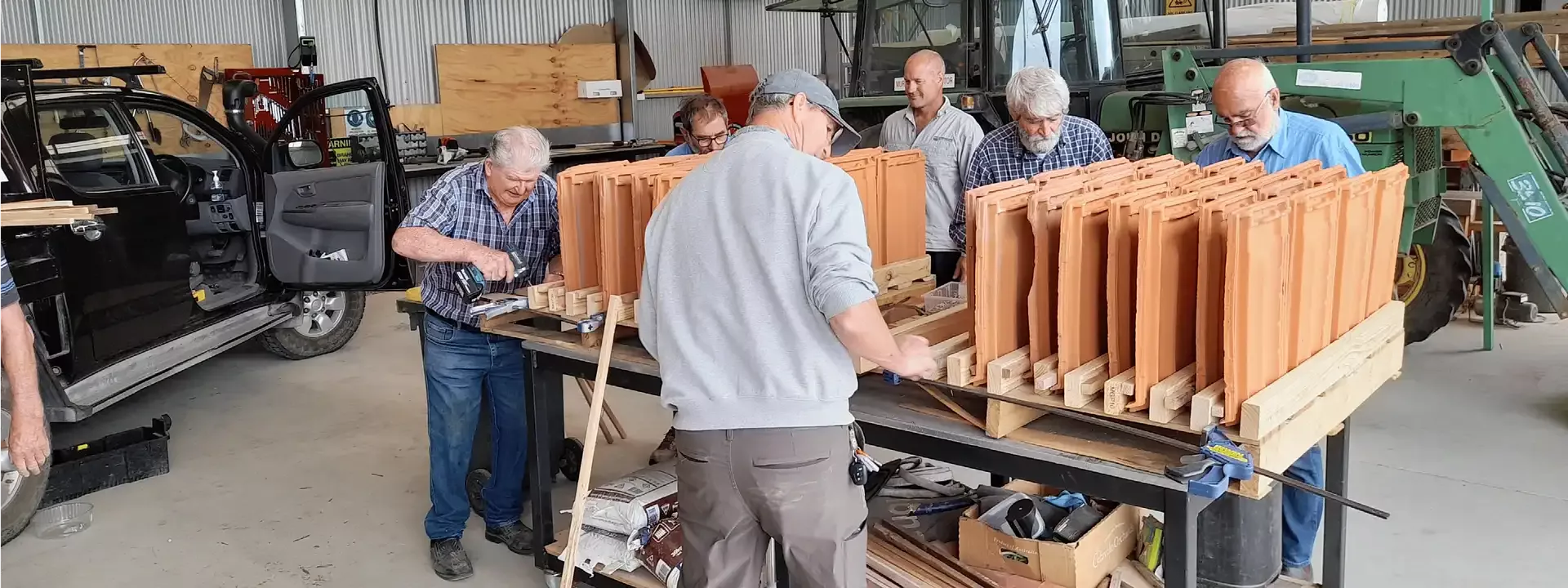
Alex Comino from the KI Landscape Board said, “By trialling materials which closely mimic what native oysters prefer in the wild, we aim to determine which techniques work best for restoration on KI and if successful, can be scaled up in the future. Restoring lost and degraded coastal ecosystems, including oyster reefs and seagrass meadows, will provide benefits for marine life, and for us, for years to come”.
This collaborative project has brought together the knowledge and support of many groups in the KI community. Collaborators and supporters include the Kingscote Men’s Shed, Bob Nicholson, KI Community Education, Goolwa Pipi Harvesting Company, KI Boat Hire, A & G Willson Earthmovers, KI Council, the Islander and SeaLink.
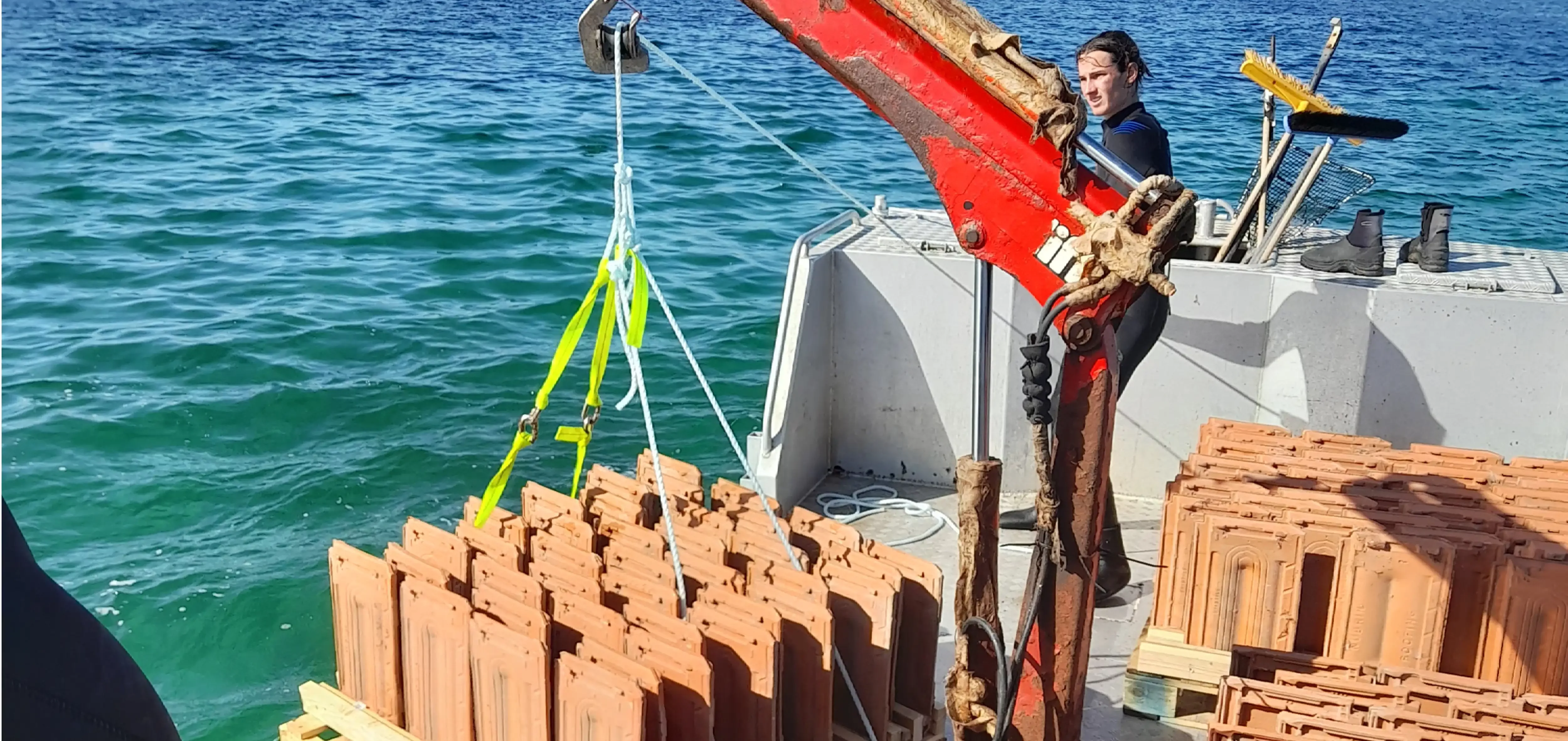
SeaLink is a proud supporter of this important project, assisting with ferry travel for the reef foundation installation team. This enabled the Landscape Board to save project funds – allowing for the deployment of more limestone and reef modules, increasing the footprint of the reefs.
For more information on the project, please watch this short-film documentary:

