

There is more to Wadjemup / Rottnest Island than quokkas and beaches. From its dark colonial history to the unique environments found on the island, there is plenty to learn and discover about Rottnest Island. Here are 14 fun facts about Rottnest Island to help you brush up on your knowledge of the island!
1. Wadjemup / Rottnest Island is over 6,500 years old
Wadjemup / Rottnest Island was once connected to the mainland before rising ocean levels separated it around 6,500 years ago. Human artefacts dating back as far as 30,000 years ago have been found on the island. It’s believed the Whadjuk Noongar People used Wadjemup for ceremonies and meetings. However, there is no evidence the Whadjuk Noongar People continued to visit once the island was cut off from the mainland.
2. Rottnest Island is famous for quokkas, beaches and a laid-back vibe
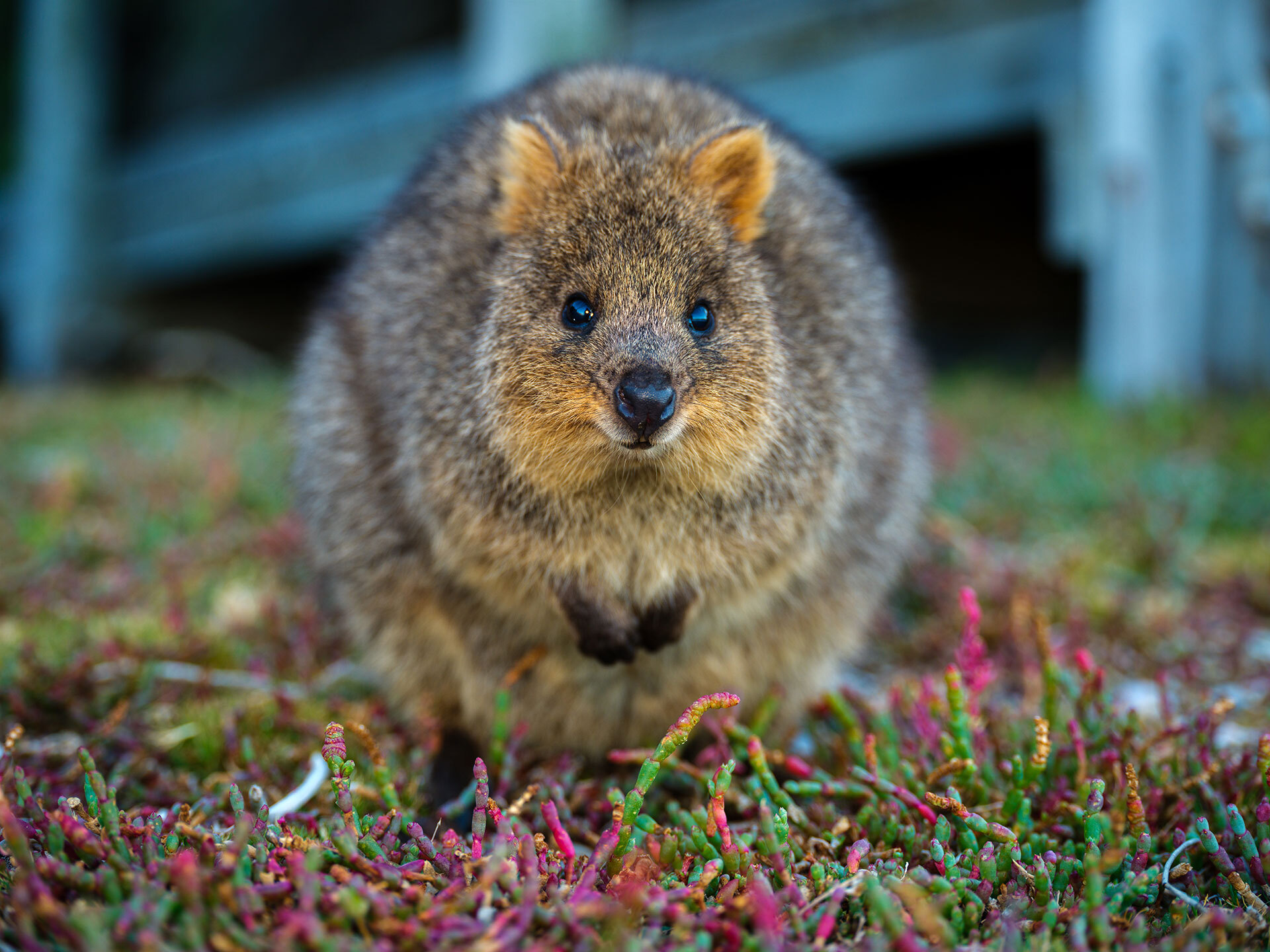
Thanks to celebrities setting the internet on fire with their cute quokka selfies, Rottnest Island has become world-famous as home to the world’s happiest animal. Amongst Perth locals, the island is most famous for its incredible beaches and relaxed island vibe.
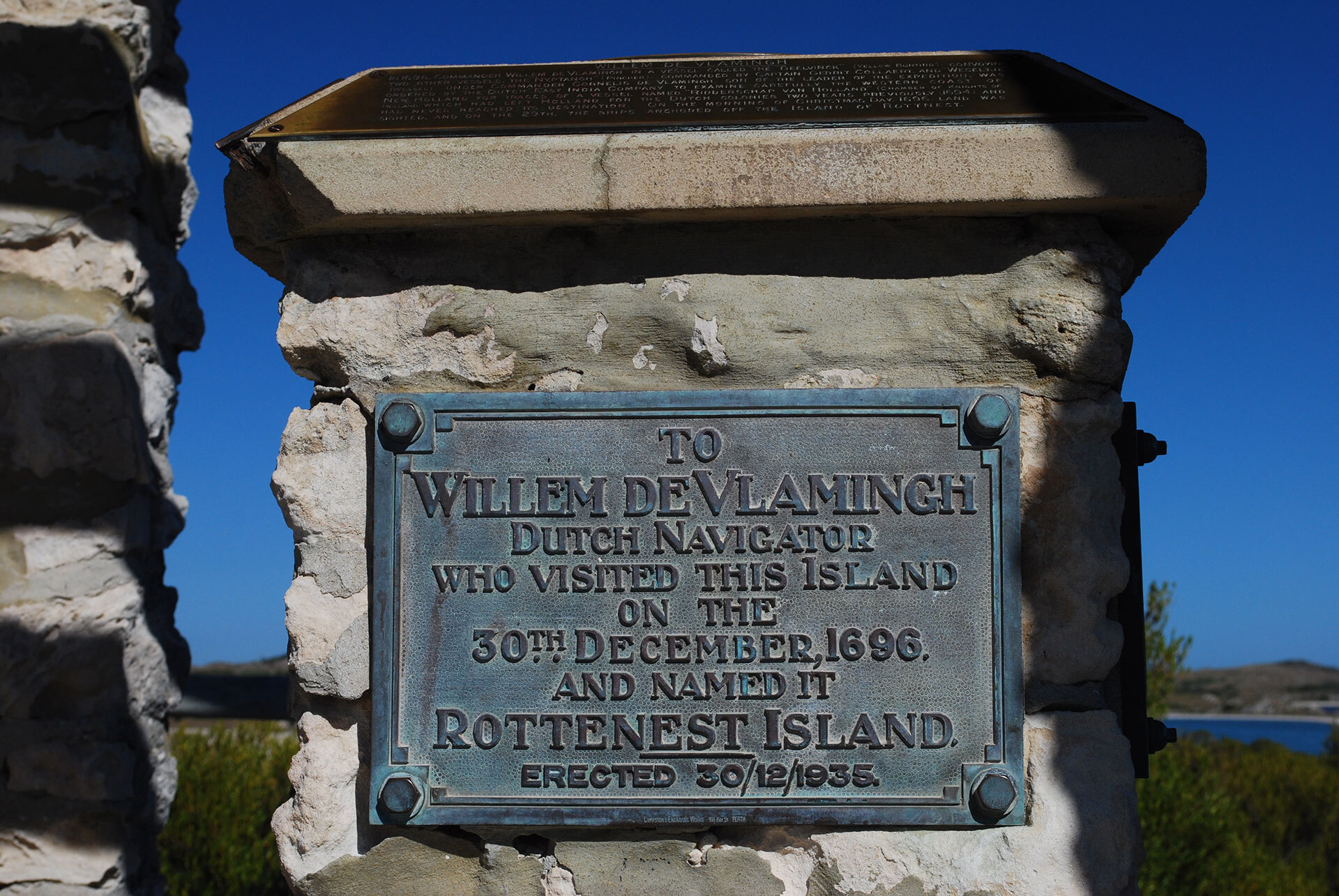
3. Rottnest Island got its name from the quokkas
Ever wondered how Rottnest Island got its name? To the Whadjuk Noongar People, Rottnest Island is known as Wadjemup, meaning “place of spirits”. It became known as Rottnest Island when Dutch captain Willem de Vlamingh anchored on the northern side of the island in 1696. He mistook the adorable quokkas for giant rats and named the island t Eylandt 't Rottenest, which means Rats’ Nest Island.
4. But Perth locals have also given the island a very Aussie nickname
From sunnies (sunglasses) to chewy (chewing gum), avo (avocado) to servo (service station), Australians love to shorten words. So, what is the nickname of Rottnest Island? Rotto of course!
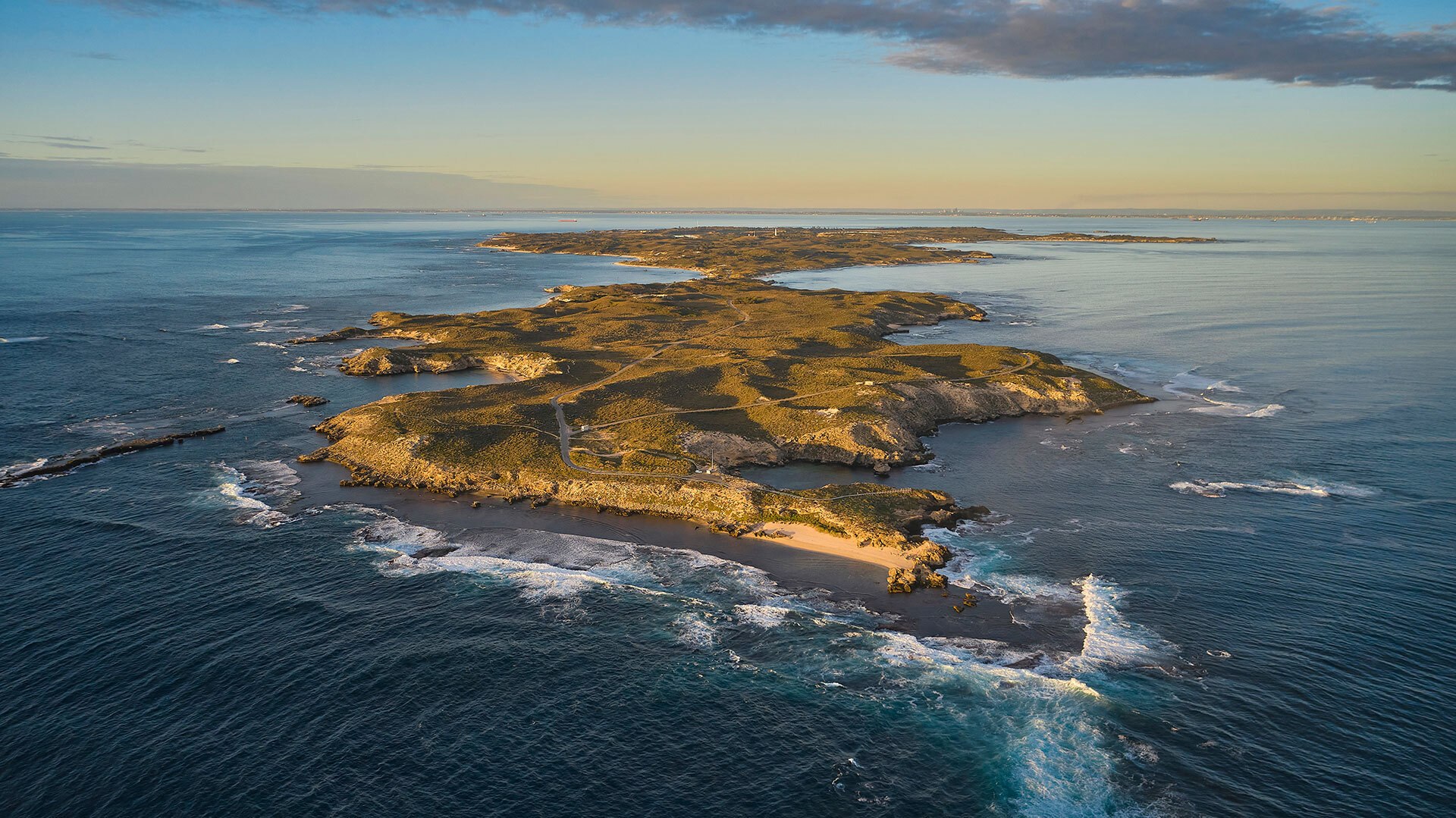
5. Wadjemup / Rottnest Island is tiny but mighty
At 11 kilometres long and 4.5 kilometres wide, Rottnest Island covers 19 square kilometres. That makes it small enough to ride around in a day. But despite its size, you won’t be bored if you stay longer. From exploring the 63 beaches to having a round of golf, there are stacks of things to do on the island.
6. Rottnest Island is home to a surprising number of habitats
Don’t be fooled by Rottnest Island’s compact size. The island is home to 6 distinct habitats, each supporting its own flora and fauna. As you wander around the island, spot changes in vegetation between the scrub heath, coastal, wetlands and woodland ecosystems. Dive into the water to explore the ocean environment or observe how humans have influenced the island in the settlement.
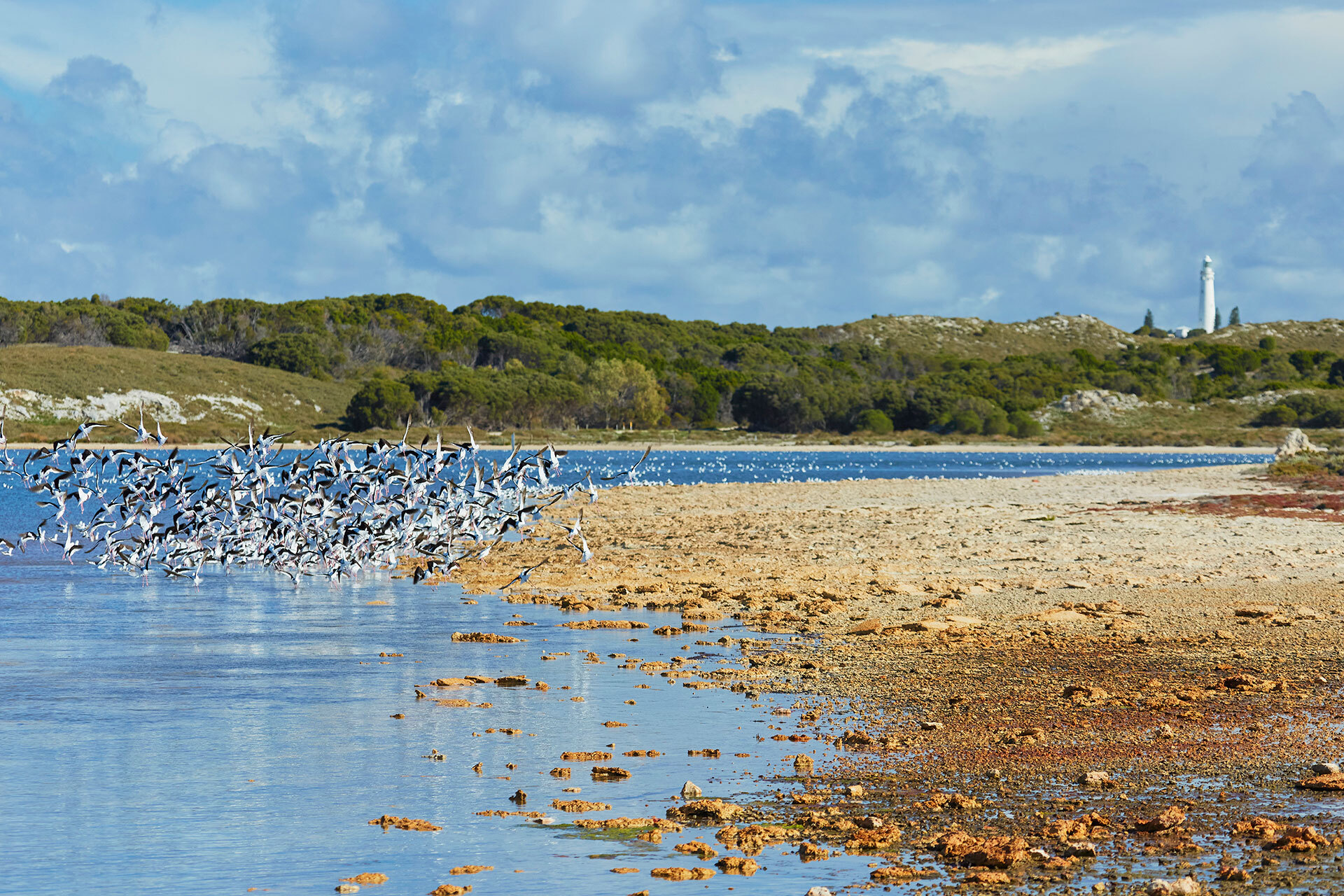
7. There is plenty of wildlife to observe on Wadjemup / Rottnest Island
The range of habitats on Rottnest Island also provides homes to an array of native animals. The adorable quokkas get the most attention, but there are stacks of other animals to view for keen wildlife observers. The island is home to a colony of long-nosed fur seals, which you can often view playing in the waters near Cathedral Rocks. Keep an eye out for dolphins, Australian fur seals and whales while you’re there.
Twitchers will go wild over the birdwatching opportunities, with over 100 species of birds landing on the island. Snorkelling at Rottnest Island offers the chance to observe over 400 species of tropical fish, plus other sea creatures such as the western rock lobster. And watch out for the Rottnest Island dugite when walking amongst the sand dunes!
8. But not all animals are welcome on Rottnest Island
Like much of Australia, introduced species caused problems to the natural ecosystems of Rottnest Island. Cats were introduced to the island as pets and to help control rats and mice. Peafowl were also introduced to Rottnest Island in the early 1900s. The Rottnest Island Authority began a program to remove introduced species on the island in the early 2000s. No cats have been seen on the island since 2002 and the last peafowl died in 2022.
Wadjemup Rottnest Island is now an A Class Reserve, meaning no domestic animals are permitted on the island. The exception is guide or assistant dogs which are allowed with prior approval from the ranger.
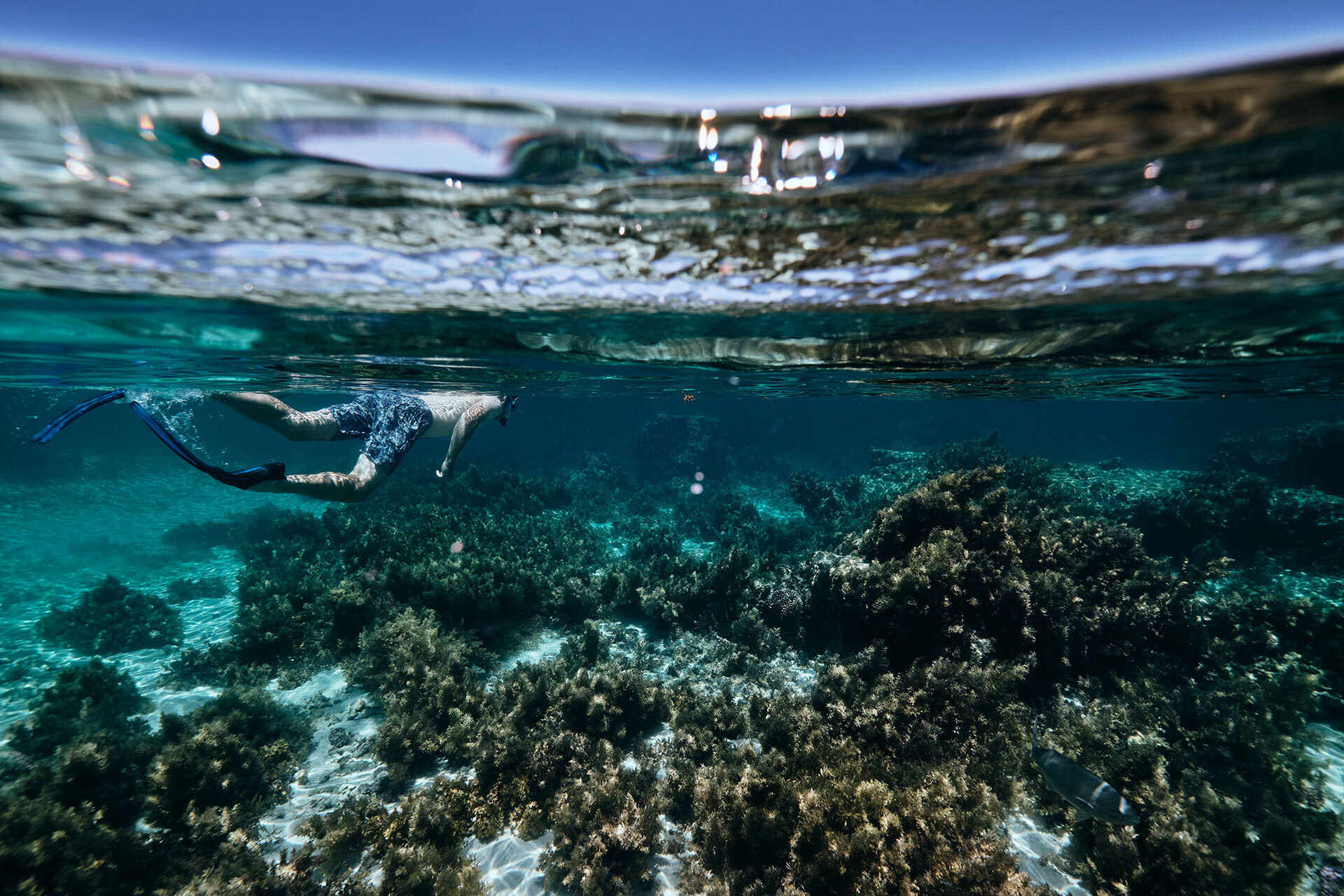
9. Snorkelling at Rottnest Island is different from the mainland
The Leeuwin Current brings warm water south from Western Australia’s tropical north making Rottnest Island an ideal snorkelling destination. As a result, the water around Wadjemup / Rottnest Island is always slightly warmer than off the mainland. This creates unique environments for corals and tropical fish that you won’t find around Perth.
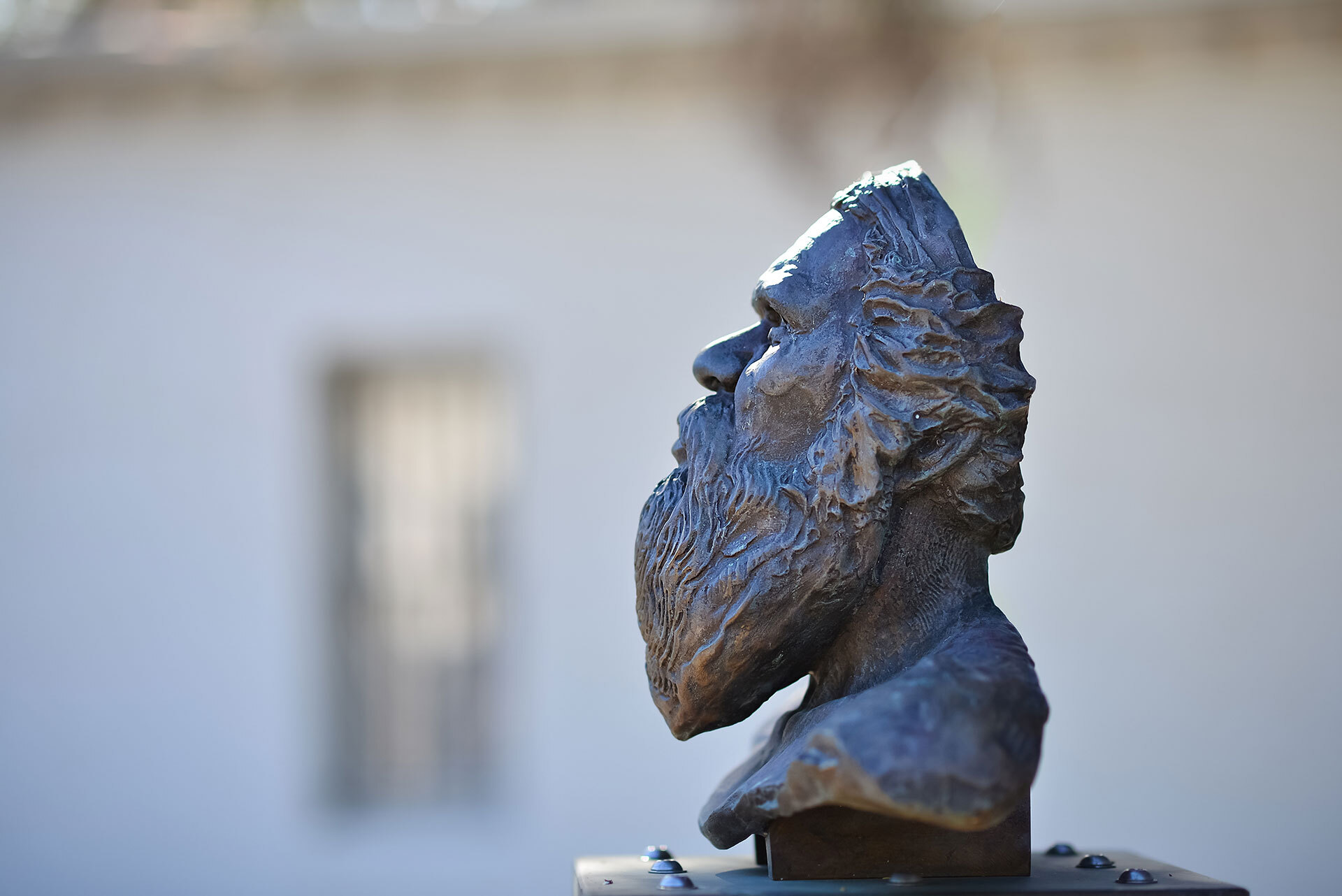
10. Wadjemup / Rottnest Island has a dark and disturbing history as a place of Aboriginal incarceration
During the early years of colonisation, Wadjmeup / Rottnest Island served as a prison for Aboriginal men and boys. An estimated 3700 Aboriginal men and boys from as young as 8 years old were sent to the island over a period of nearly 100 years from 1839. On the island, they were forced into labour and suffered horrible conditions. The separation from their Country, culture and community also caused immense suffering to the prisoners, and the loss of knowledge and guidance in their communities had a lasting impact.
The Rottnest Island Authority is taking steps towards recognition, reconciliation and healing with the Aboriginal community. We highly recommend any visitors to Wadjemup / Rottnest Island read more about the Aboriginal history of the island.
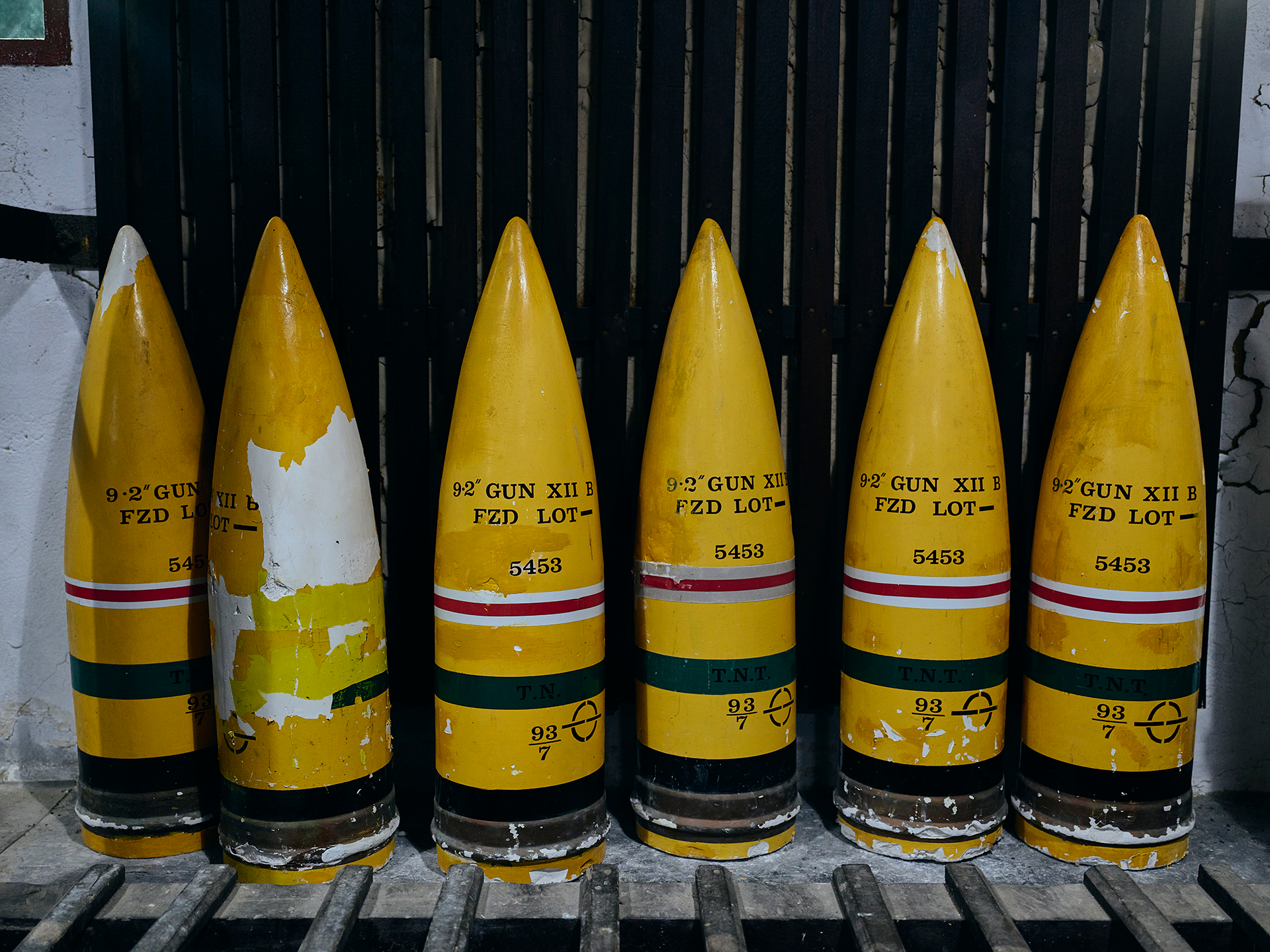
11. You can discover Rottnest Island’s interesting military history
In the lead-up to World War II, the military constructed defence infrastructure to protect the vital port of Fremantle from potential attacks. You can still explore the remnants of the gun batteries at Oliver Hill and Bickley Point and ride the railway.
12. Rottnest Island has two lighthouses
The waters surrounding Rottnest Island contain reefs that are fantastic for snorkelling. But they were perilous to the ships that were vital for trade in the early settlement of Perth. Wadjemup Lighthouse, Western Australia’s first stone lighthouse, was completed in 1849 on the highest part of the island. Unfortunately, shipping accidents continued even after the lighthouse’s construction. So, a second lighthouse, Bathurst Lighthouse, was constructed and began shining its guiding light in 1900.
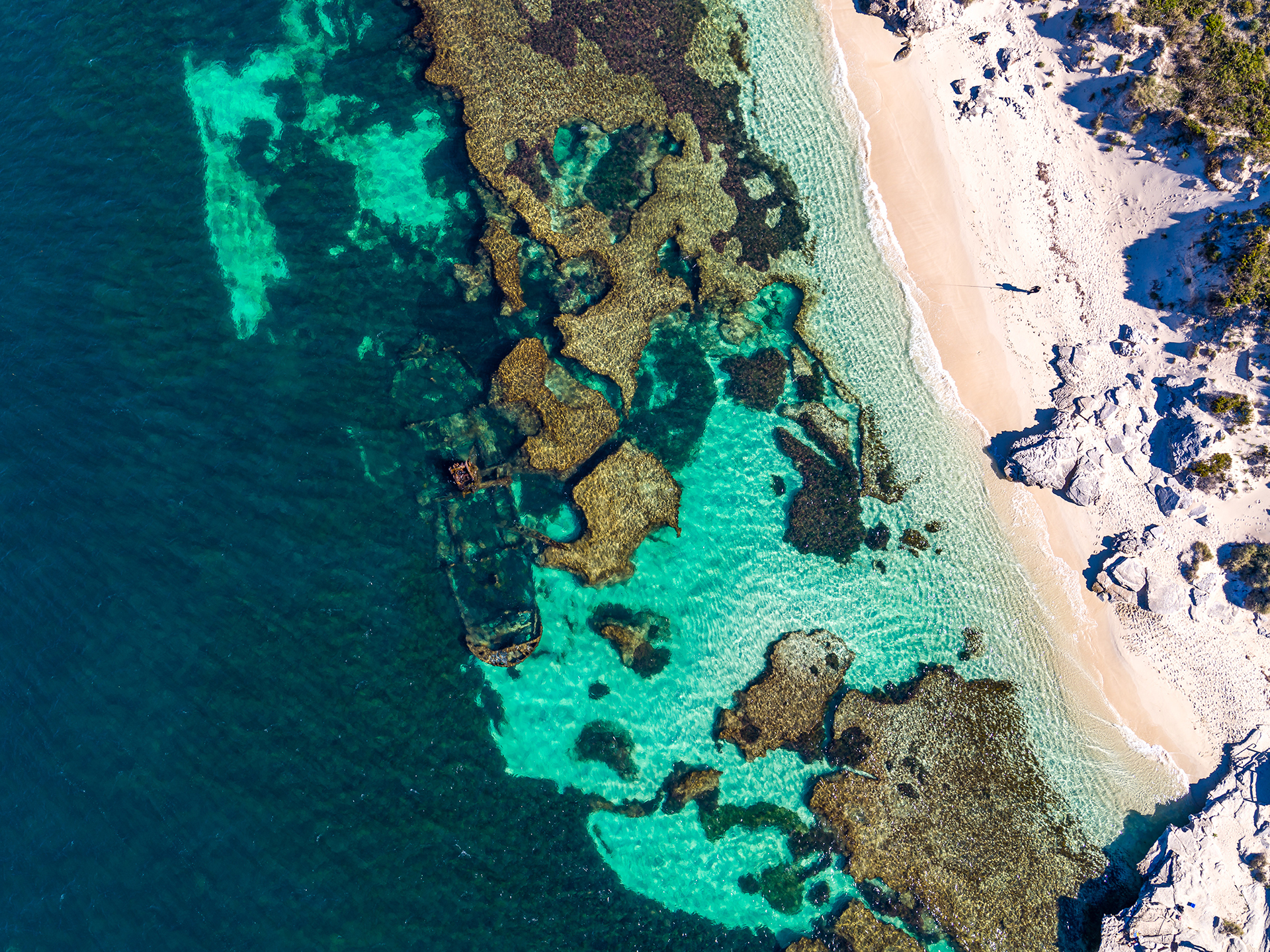
13. There are 13 shipwrecks found in the waters surrounding Rottnest Island
The lighthouses couldn’t come soon enough for many ships sailing near Wadjemup / Rottnest Island. 13 known shipwrecks lay on the seafloor around the island. You can even see two of them from the island and snorkel amongst the wrecks. Shark lays underwater near Henrietta Rocks and Uribes lies just offshore near Phillip Point.
14. About 300 people live on Rottnest Island
A small population of residents live and work on Wadjemup / Rottnest Island. Many of the residents work for the hospitality and retail businesses on the island or for the Rottnest Island Authority.

