

Wadjemup/ Rottnest Island is a natural sanctuary with diverse ecosystems, from sandy dunes and coastal heathlands to salt lakes and woodlands. Its isolation has allowed a diverse variety of plants and wildlife to thrive, many of which are found nowhere else on the mainland. Home to the famously friendly quokka, colourful birds, resilient native plants, and vibrant marine life, Rottnest offers a unique glimpse into Western Australia’s rich biodiversity.
Here are some of the most fascinating flora and fauna around Rottnest Island.
Flora and fauna by habitat
Woodlands: Quokkas, and rainbow bee-eaters
Coastlines: Ospreys, terns, and pelicans
Wetlands: Samphire, shelduck, and terns
Ocean: Sea coral and marine life
Scrub Heath: Native plants and raptors
Around the woodlands
Quokka
Rottnest’s most iconic resident, the quokka, is a small marsupial renowned for its friendly nature and “smiling” face. These nocturnal herbivores graze on native grasses and shrubs, playing an important role in seed dispersal and maintaining vegetation health. The island’s predator-free environment allows quokkas to flourish, making them one of the few places where they are abundant.
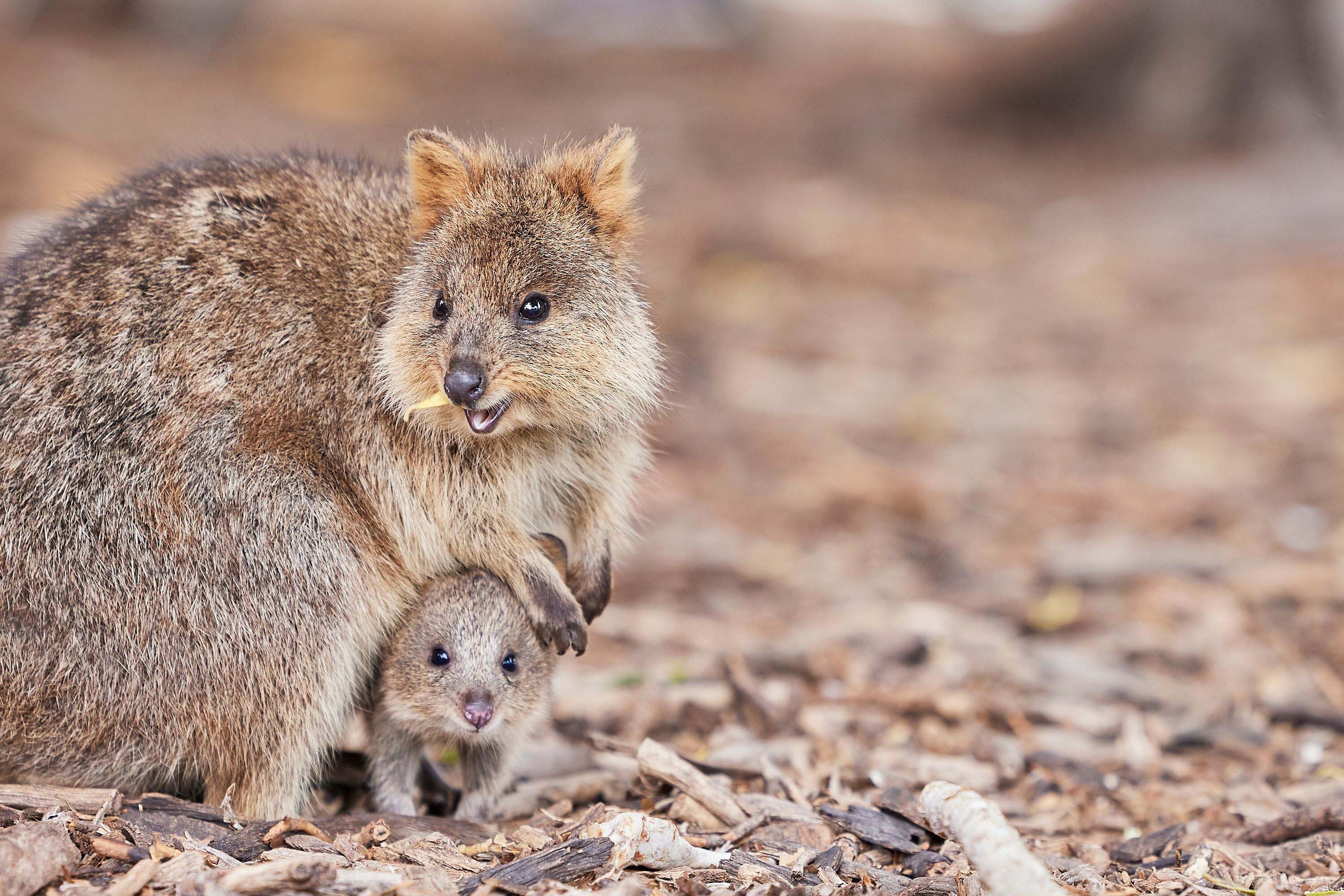
Where to spot quokkas: Near the settlement and along walking trails, especially at dawn or dusk.
Rainbow Bee-eater
With iridescent green, blue, and orange plumage, the rainbow bee-eater is a dazzling sight as it swoops over the island, catching insects. They make burrows in the ground during the breeding season and help to control insect populations.
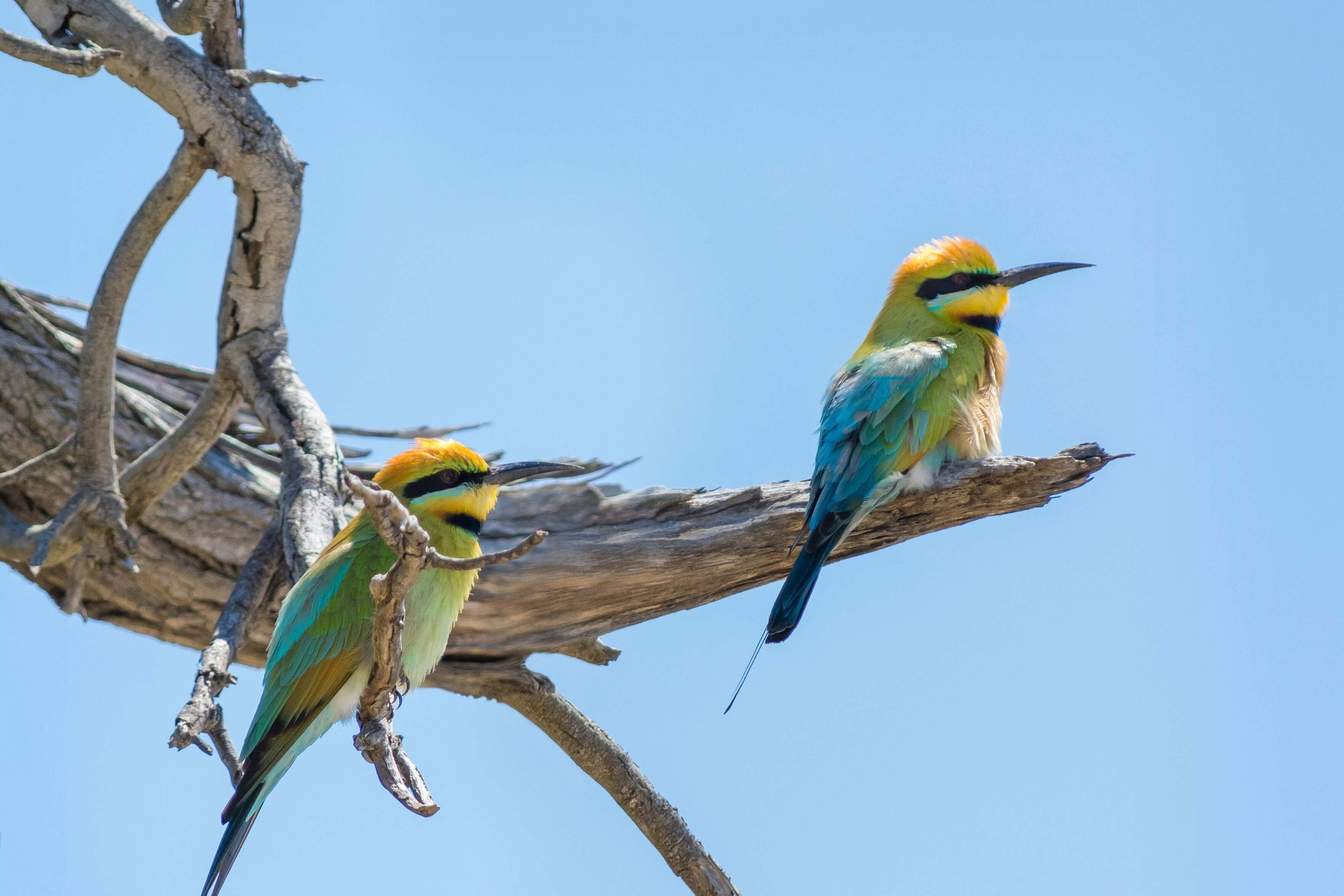
Where to spot them: native foliage in the woodlands.
Exploring the coastline
Pied Cormorant
The pied cormorant is a black and white waterbird often seen perched on rocks and jetties. Known as expert divers, they hunt fish underwater and roost in colonies, indicating healthy marine environments.
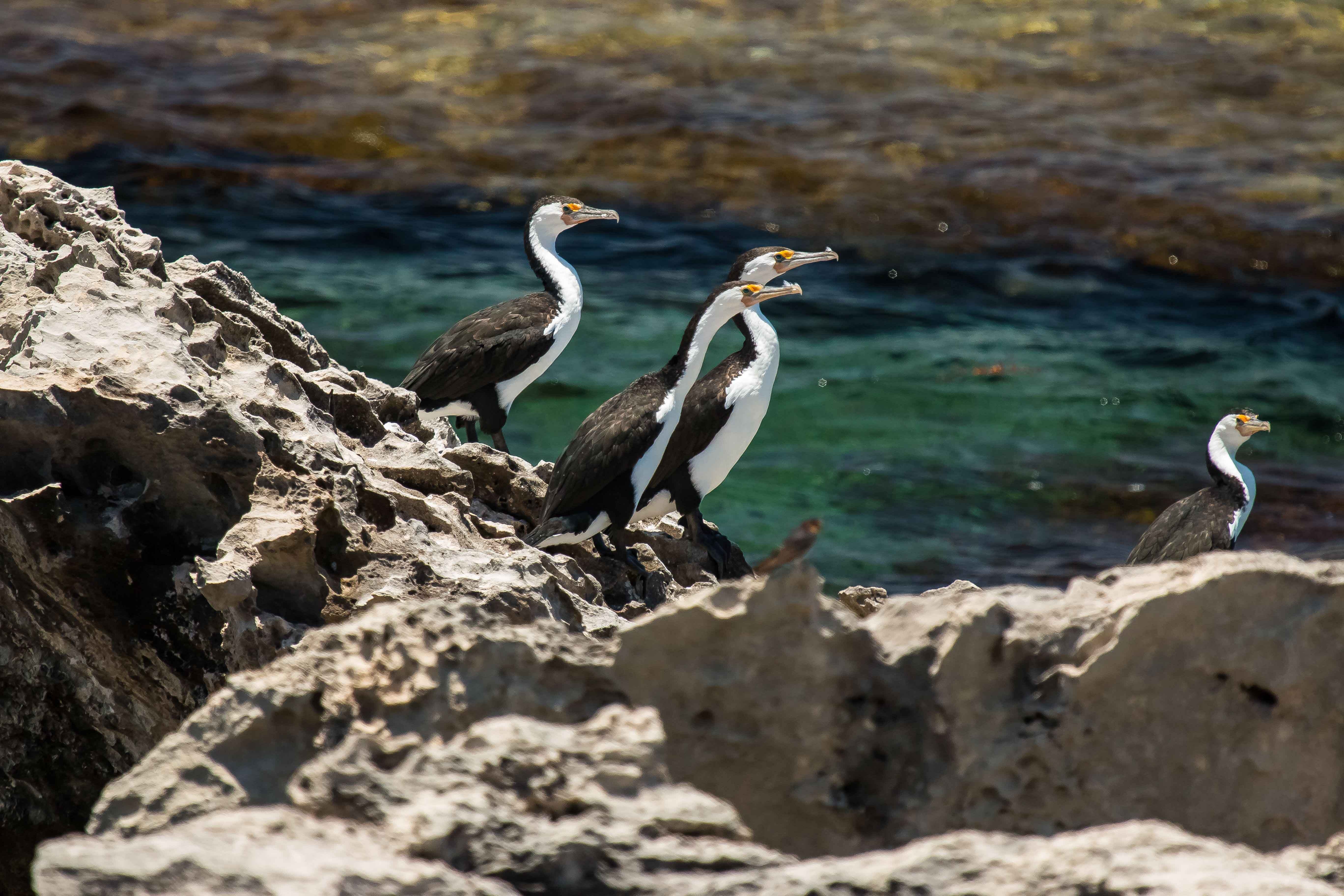
Where to spot pied cormorants: Rocky shorelines and jetties.
Crested Tern
Crested terns nest in colonies along the coastline and salt lakes of Rottnest Island. With their black crests and yellow bills, they dive skillfully for fish, contributing vibrant sounds and movement to the coastline.
Where to spot crested terns: Along the coastline and salt lakes.
Eastern Osprey
Rottnest Island is home to at least 6 eastern ospreys, increasing to 20 during breeding season as they return to roost. These elegant birds build large, woven stick nests called “stacks” high above the ground. Did you know that adult ospreys return to their hatching sites just like turtles do?
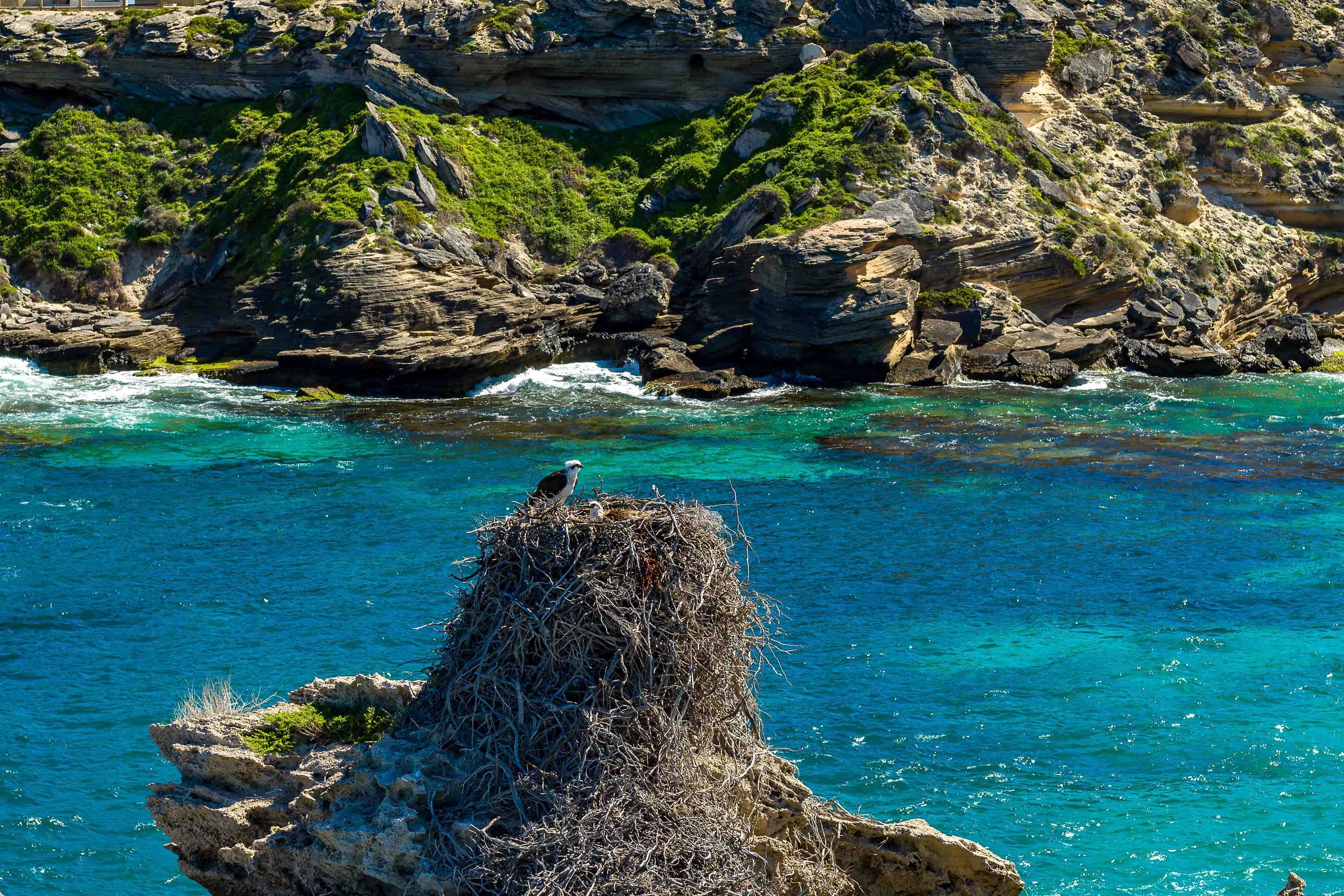
Where to spot osprey stacks: Coastal cliffs and beaches near City of York Bay, West End, Little Salmon Bay, Salmon Point, Fish Hook Bay. Hike the Ngank Wen Bidi to spot an Osprey Stack at the end of the walking trail at West End.
Pelican
The Australian pelican is known for its huge bill and striking black-and-white feathers. They fish cooperatively in sheltered bays and rest on jetties, adding life to coastal scenes.
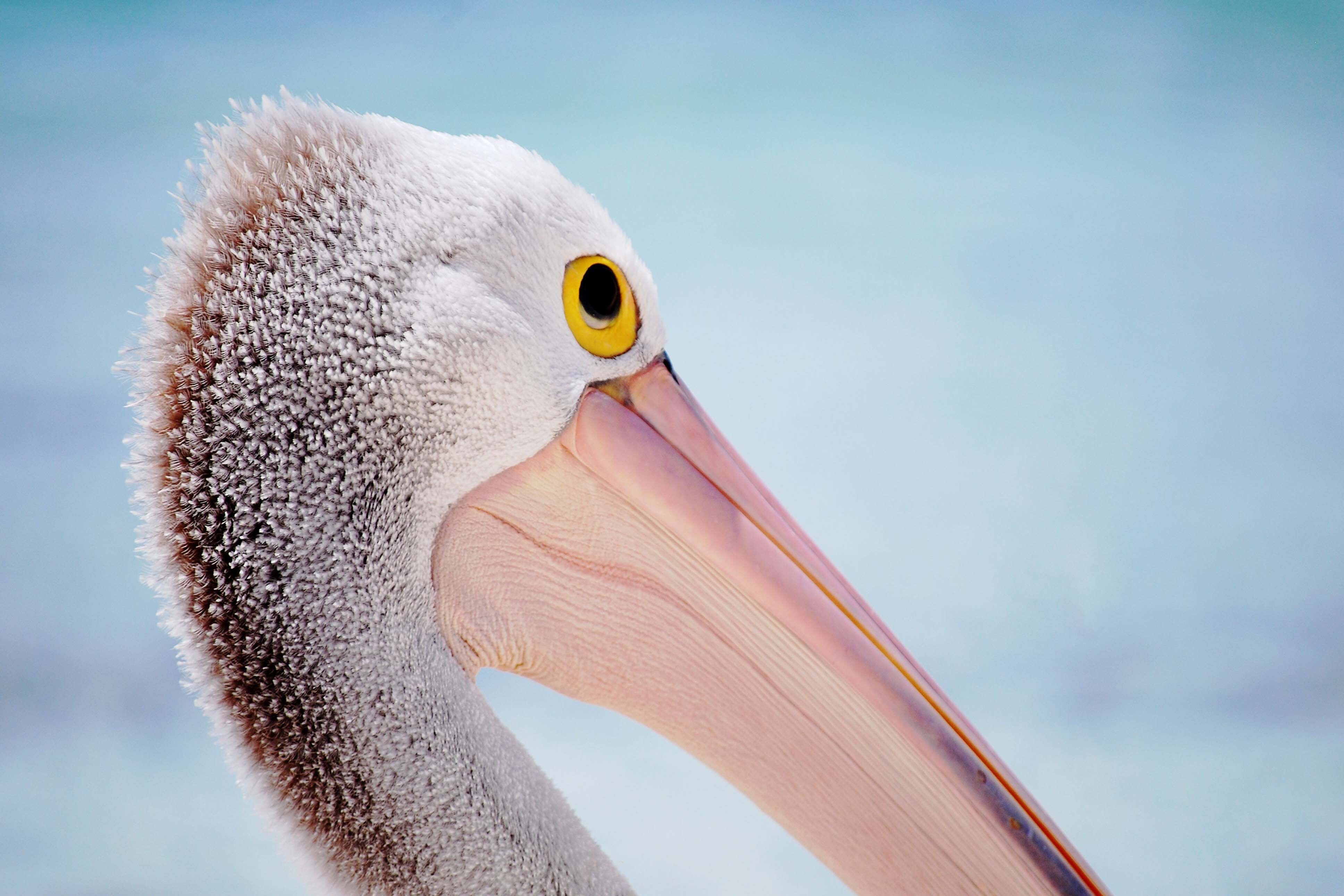
Where to spot pelicans: The Basin and Thomson Bay.
Near the wetlands
Samphire
Samphire is a succulent halophyte that thrives in salty environments like the island’s salt lakes. It reduces soil erosion and provides habitat for birds and invertebrates.
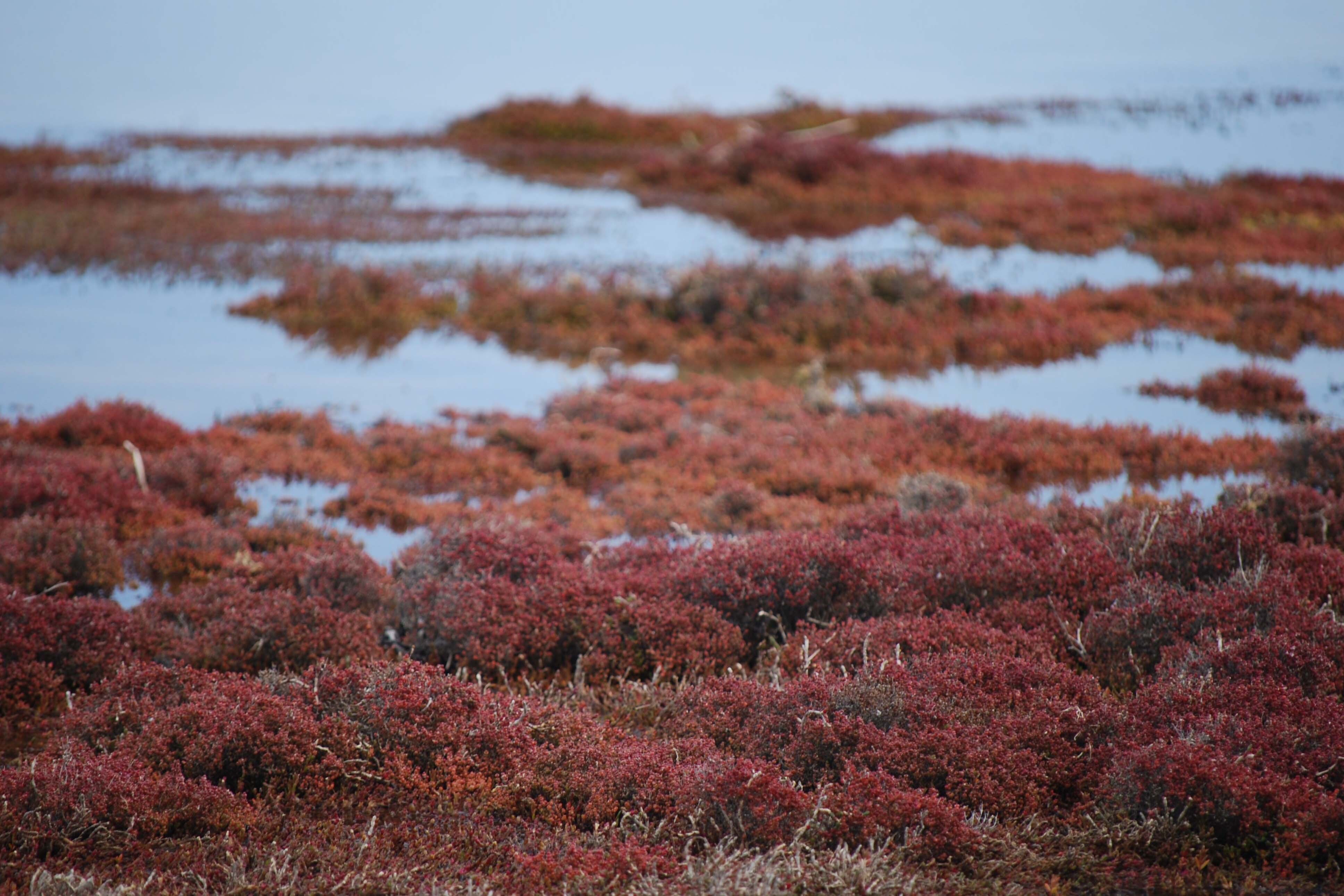
Where to spot samphire: Around Garden Lake and Salt Lakes, walking along the Gabbi Karniny Bidi.
Bridled Tern
The bridled tern is a medium-sized seabird with striking black-and-white plumage and a “bridle” line on its face. Agile flyers, they nest on sheltered parts of the island and forage far out at sea.
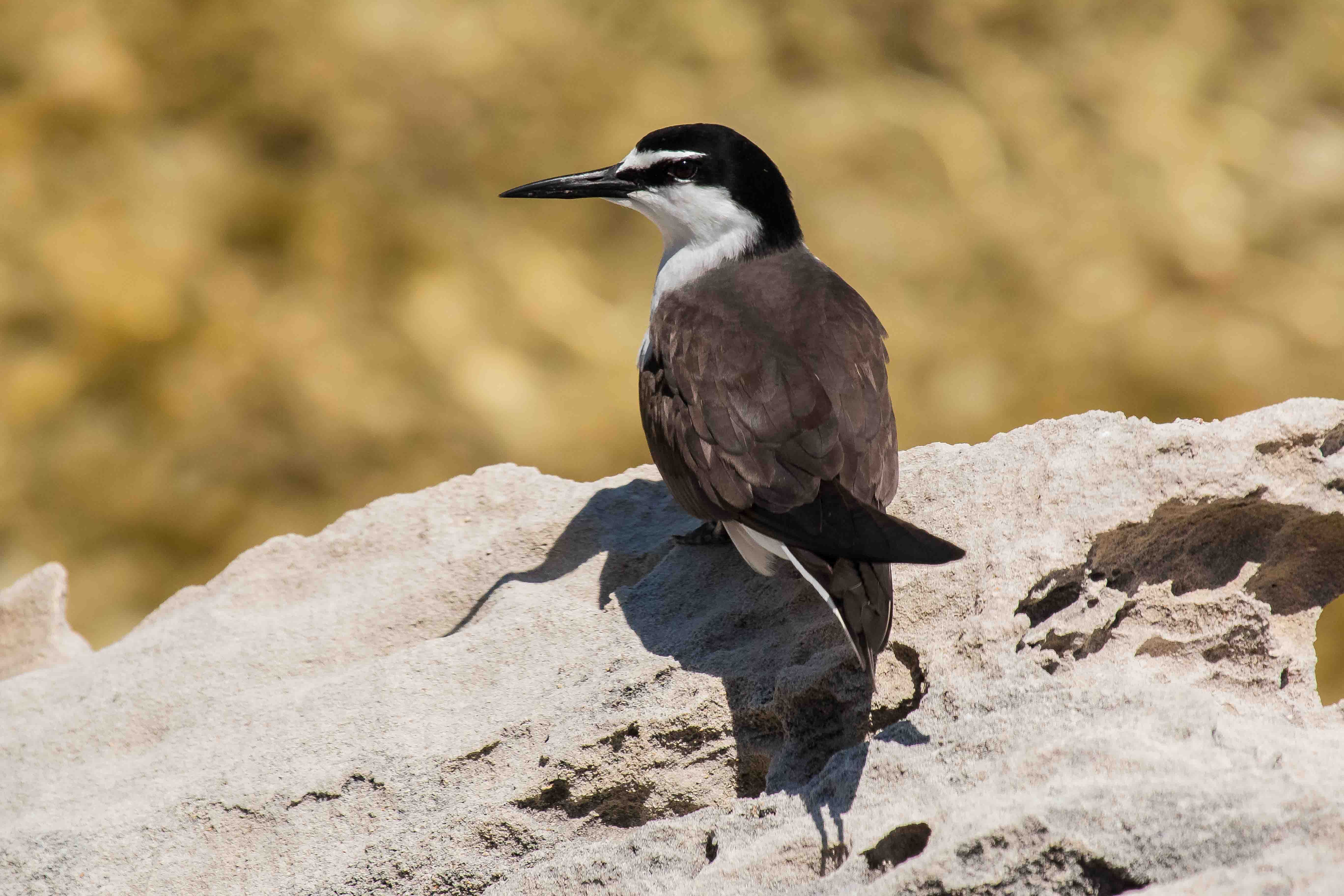
Where to spot bridled tern: Along the coastline and wetlands, particularly behind the main settlement.
Shelduck
The Australian shelduck frequents Rottnest’s salt lakes and wetlands. Its chestnut body and black head are easily recognised, and it feeds on aquatic plants and small invertebrates.
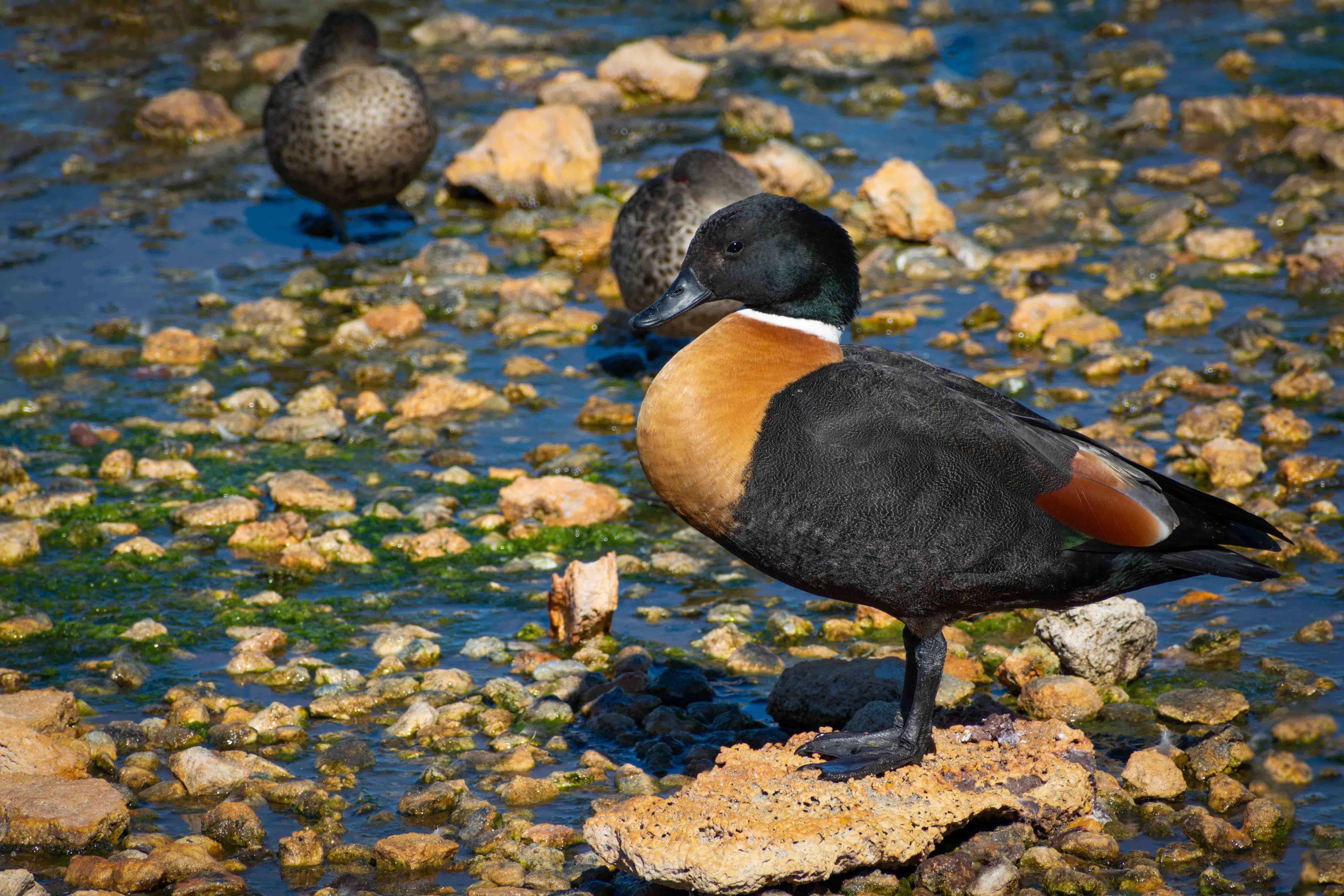
Where to spot Australian shelduck: Salt lakes and wetland zones.
Among the ocean
Sea Coral
Rottnest’s underwater world features vibrant corals and sponges forming habitats for marine creatures. There are a number of snorkel trails to explore the underwater world with an extensive coral reef guiding your way.
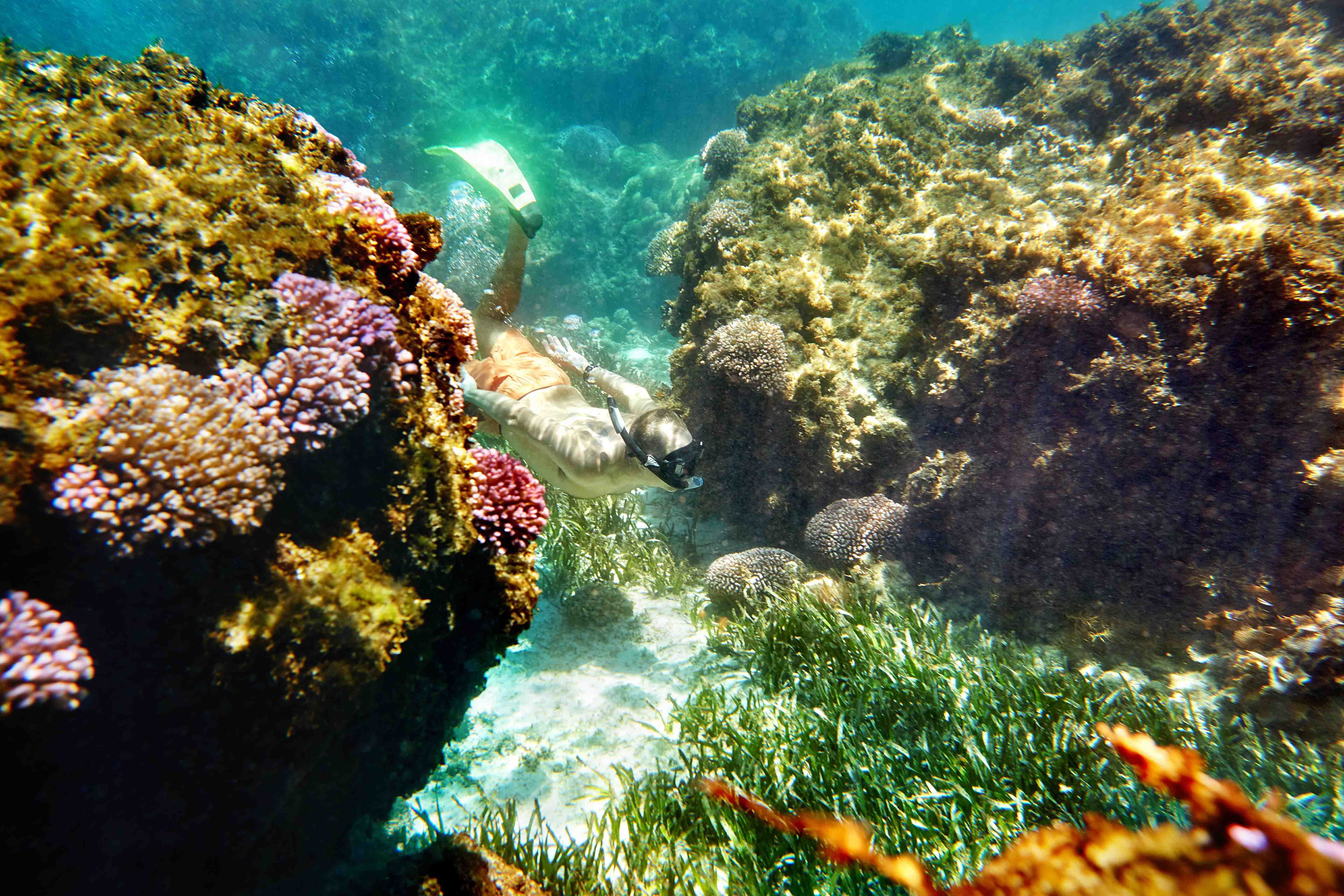
Where to spot sea coral: Snorkelling and diving sites like Salmon Bay and Parker Point.
Fish
The island’s surrounding waters teem with over 400 species of tropical fish, like kingfish and pink snapper. These species contribute to a balanced marine ecosystem and attract snorkelers and anglers alike. Rottnest Island is a popular fishing spot due to its rich marine biodiversity.
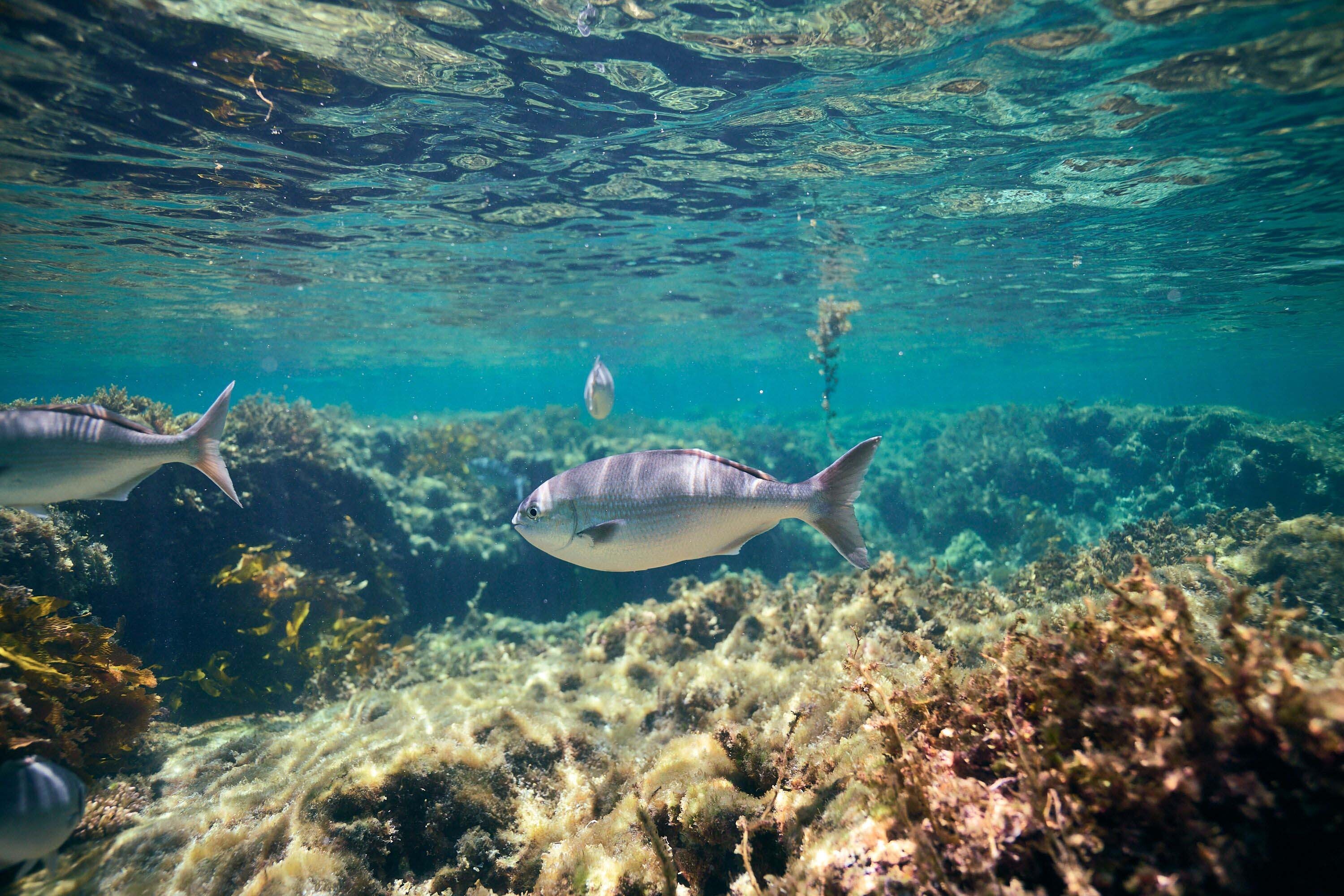
Where to spot fish: Reefs at The Basin, Little Salmon Bay, and Parker Point.
Whales
Migrating whales, such as humpbacks and southern right whales, pass Rottnest annually from August to December. They breach and spout offshore, visible from coastal cliffs and beaches. Hire a bike and catch a glimpse from one of the viewing platforms at Cape Vlamingh, Cathedral Rocks and Bathurst lighthouse.
Where to spot whales: Any coastal lookout point during migration. Most commonly spotted from West End, Pinky Beach and Little Armstrong Bay.
Tangled in the Scrub Heath
Wadjemup Daisy
The Wadjemup Daisy brightens sandy soils with purple and white blooms each spring. This wildflower attracts native bees and butterflies, enhancing the island’s pollination networks.
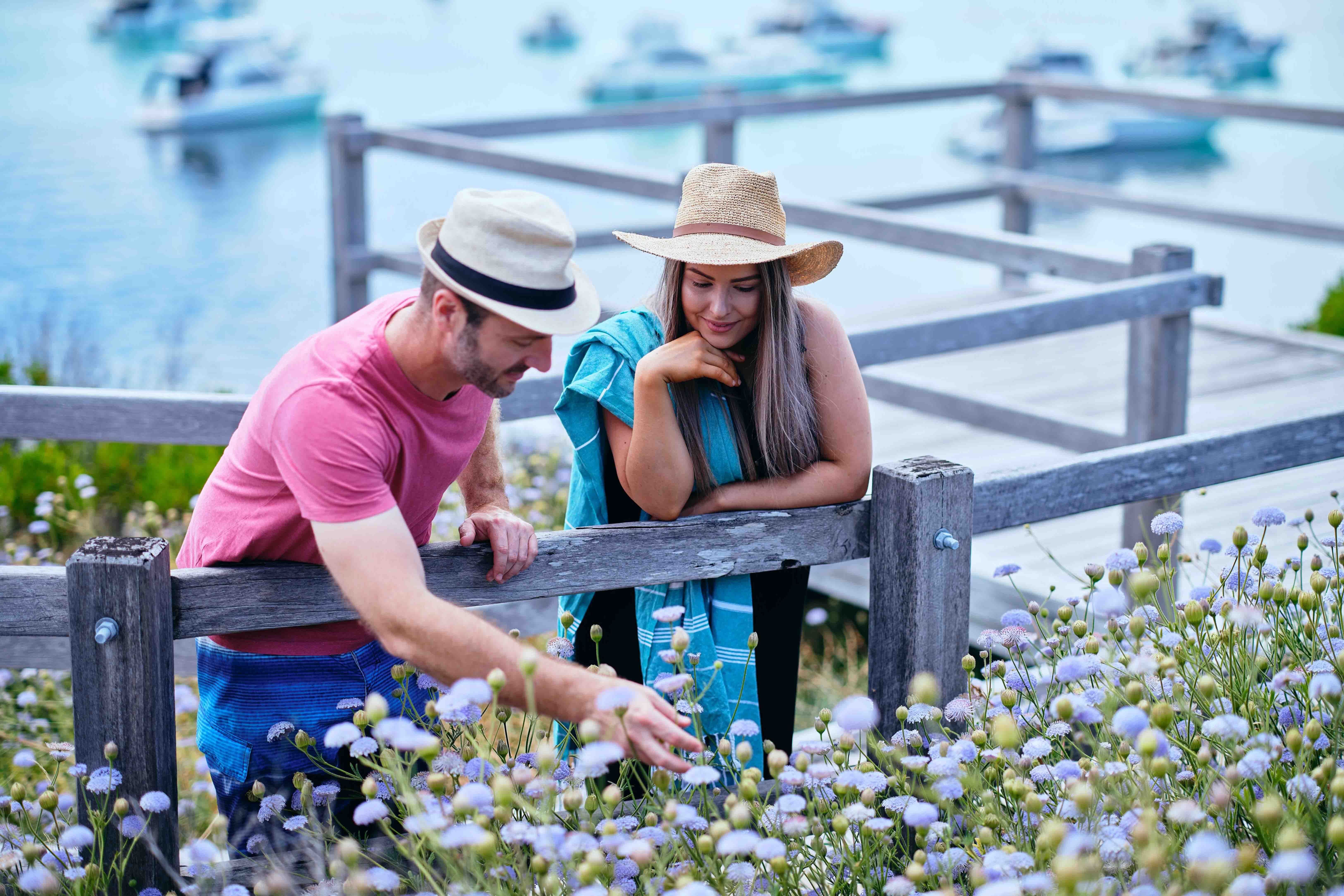
Where to spot Wadjemup daisy: Coastal heath and dunes, especially around Parker Point, Henrietta Rocks, and Oliver Hill.
Nankeen Kestrel
The small nankeen kestrel hovers over open areas in search of insects, small mammals, and reptiles. Its reddish-brown plumage with dark markings makes it a striking predator on the island.
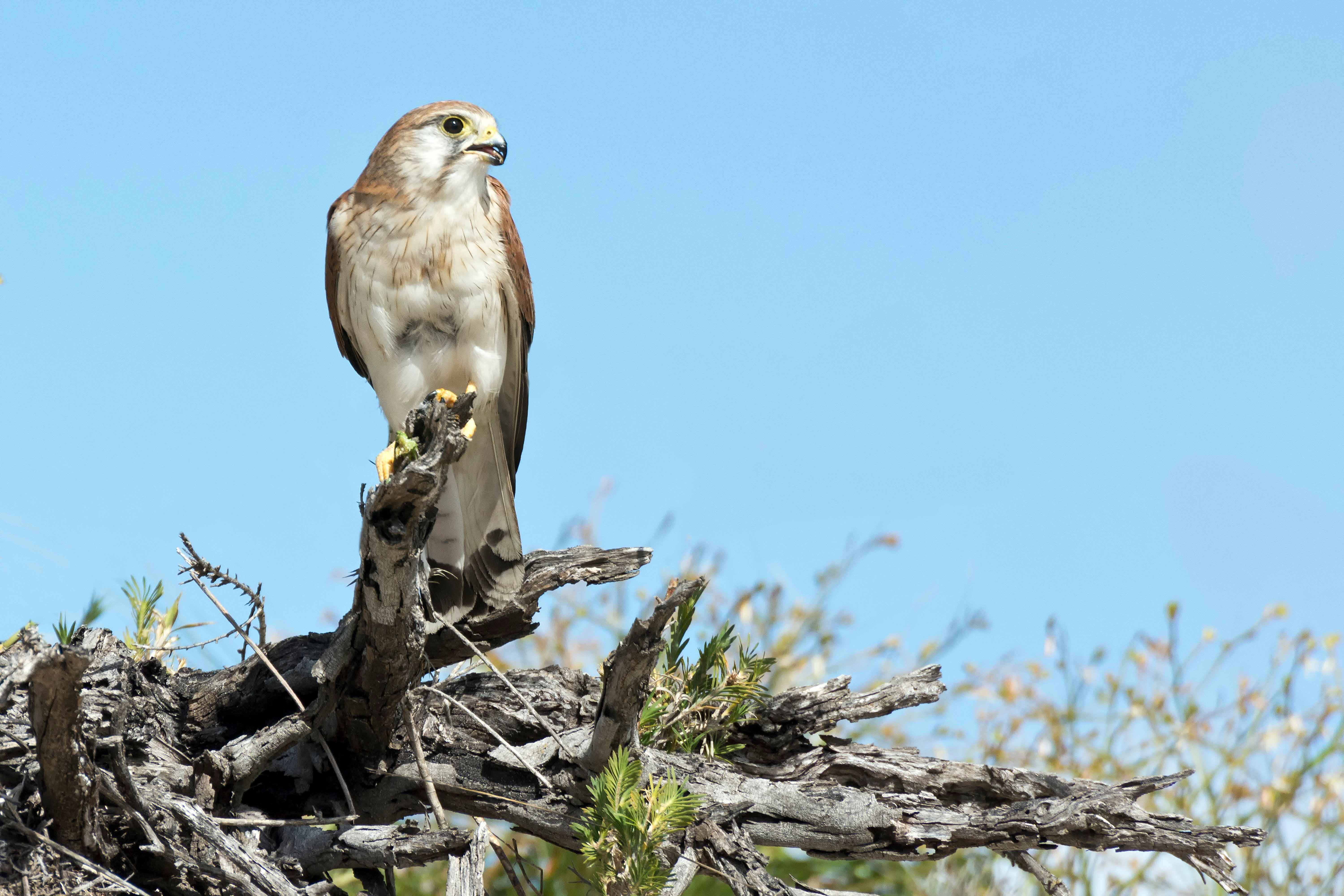
Where to spot Nankeen Kestrel: Open scrub and woodland edges.
Rottnest Island Pine
The slender evergreen Rottnest Island pine is a native tree to Rottnest Island. These trees provide shelter for wildlife and help stabilise soils, growing in small groves throughout the island’s interior.
Where to spot Rottnest Island pine: Groves near woodland and scrub heath
Tips before your trip to Wadjemup / Rottnest Island:
- Book a guided walking tour or bus tour for expert knowledge along the way
- Do not feed or touch wildlife, especially quokkas.
- Take rubbish with you; keep the island clean.
- Respect wildlife quiet hours to avoid disturbing nocturnal animals
- To witness flora and fauna at dusk or dawn, book a discounted overnight stay
Whether you're gazing up at soaring seabirds or spotting marine life beneath the waves, Wadjemup / Rottnest Island is a haven for nature lovers. So grab your sense of adventure and get ready to connect with some of Western Australia's most fascinating wildlife – they're already waiting for you.
Book your ferry to Rottnest Island and enjoy a day exploring Rottnest Island's unique flora and fauna.

